Cooking is a wonderful, messy, and delicious art form. But behind every gourmet meal and smoky stir-fry lurks a potential hazard: accumulated grease. If your kitchen air smells faintly of burnt oil, or if your range hood seems less effective than a decorative fan, it’s likely due to a build-up of grime. Understanding what are the signs of excessive grease buildup in range hoods? is not just about aesthetics; it’s about kitchen safety, air quality, and preserving the longevity of your expensive appliances. This detailed guide will walk you through the subtle indicators of a clogged hood, the serious risks involved, and the effective steps you can take to keep your kitchen breathing clean.
Recognizing the Warning Signs of a Neglected Hood
The first step toward a clean kitchen is recognizing the mess. Grease buildup is insidious; it doesn't always send a flashing "Danger!" sign. Often, the warning signs are subtle, manifesting as changes in performance and appearance. Paying attention to these details is key to preventing a minor clog from becoming a major safety issue.
Visible Indicators: What Your Eyes Can Spot
The most obvious clues come from a physical inspection. Think of your range hood as a highly sensitive respiratory system; if it's clogged, it will show it.
- The Grime Factor: Look at the filter mesh. If the grease is coating the filters, they will appear dark, sticky, and thick—not just lightly dusted. Residue on Surfaces: Grease often drips and settles. Check the underside of the hood body and the walls surrounding it. If you see a tacky, brown, or yellowish residue, it's a clear sign of excessive buildup. Motor Strain: Sometimes, the hood motor itself might struggle. If the fan seems to be working harder than usual, or if it rattles, the internal components might be fighting the resistance created by the grease.
Performance Indicators: How Your Kitchen Feels
Beyond what you can see, pay attention to how your kitchen performs when you cook. These functional changes are often the most alarming signs.
- Reduced Suction Power: This is perhaps the most common sign. If you notice that the air in your kitchen still feels smoky after the hood has been running for a while, it means the fan isn't pulling the pollutants out efficiently. The grease acts like a dam, restricting airflow. Odor Persistence: If you cook a greasy meal and the smell lingers far longer than normal, the hood is failing its primary mission. A properly functioning hood should pull the odors out and neutralize them rapidly. Visible Smoke/Steam: In severe cases, when the hood is running, you might see smoke or steam being expelled rather than cleanly sucked away. This suggests the unit is struggling to move the volume of air required.
The Hidden Dangers: Why Grease Buildup Cannot Be Ignored
If the warning signs https://atavi.com/share/xwql2yz16u6c2 are annoying, the consequences of neglect are genuinely dangerous. Grease isn't just unsightly; it is highly flammable, and it poses risks that go far beyond a simple messy kitchen.
Fire Hazards and Safety Risks
This is the most critical reason to worry about your range hood. Grease buildup is essentially fuel waiting for a match.
- The Smoking Point: When grease accumulates on the heating elements, filters, and internal mechanisms, it eventually reaches its flash point—the temperature at which it ignites. The Danger of Neglect: A buildup of grease, especially near electrical components, can lead to a catastrophic fire. It's like giving a match to a pile of highly concentrated gasoline. If you aren't sure what are the signs of excessive grease buildup in range hoods?—the best way to check is to simply look for the tell-tale residue—don't ignore the signs. Anecdote: I once knew a friend who completely ignored the sticky residue in his hood. During a deep fry session, the grease finally ignited, causing a minor but frightening kitchen fire that required the immediate use of a fire blanket. It was a stark reminder that prevention is far easier than recovery.
Efficiency and Air Quality Degradation
Aside from fire, grease buildup compromises the core function of your appliance, making your kitchen less pleasant and less healthy.
- The Motor's Burden: Grease acts as a physical obstruction, forcing the motor to work harder and reducing its lifespan. Over time, this can lead to costly motor failures. Poor Air Filtration: A clogged hood is not just a bad smell; it means poor air quality. You are trapping pollutants, fine particulate matter, and carcinogens inside your home. As the saying goes, "a leaky faucet drips, but a clogged hood can choke."
DIY Deep Cleaning: Taking Action to Restore Function
The good news is that most grease buildup is manageable with proper cleaning and maintenance. You don't need to call in a professional every month—a committed routine will do the trick.
Cleaning the Filters and Components
The filters are the easiest place to start and yield the most immediate results.
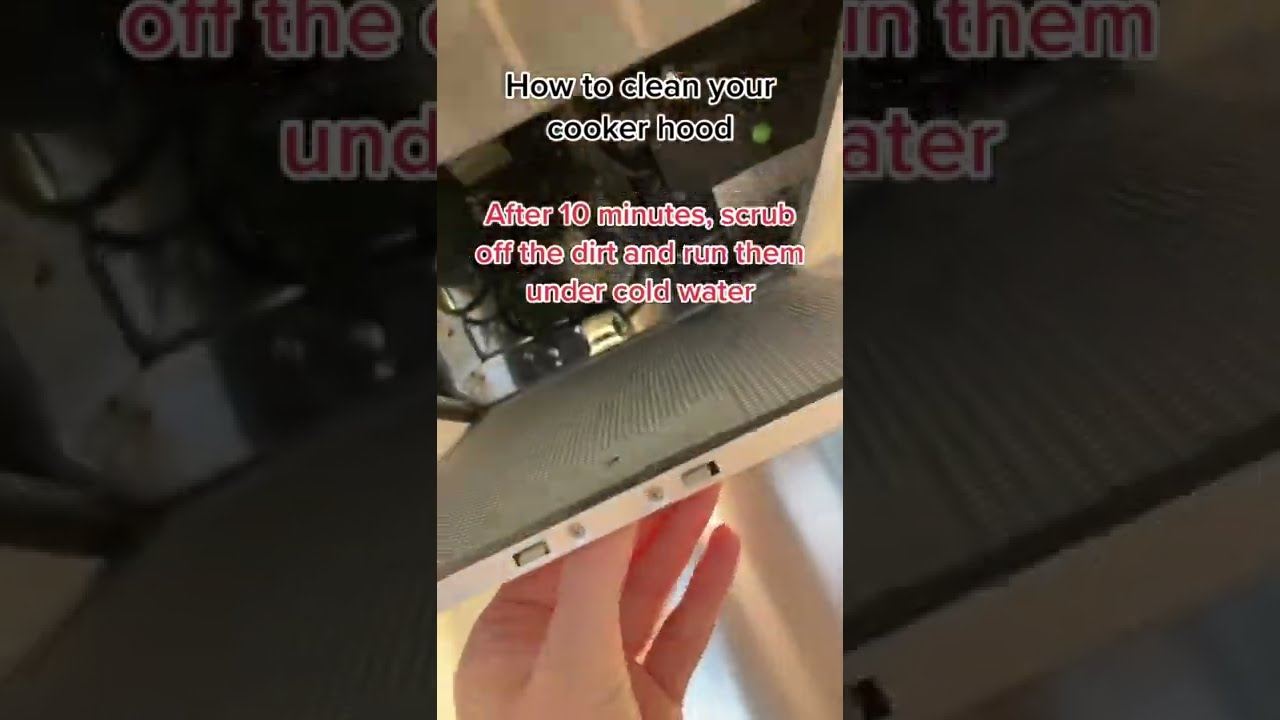
- Filter Removal: Always consult your owner's manual, but generally, these filters slide out. The Deep Soak: Do not try to scrub heavily caked-on grease with a sponge; you risk damaging the mesh. Instead, soak the filters in a solution of hot, soapy water mixed with a degreaser or a simple mixture of baking soda and vinegar for at least 30 minutes. Gentle Scrubbing: Once soaked, scrub gently with a non-abrasive brush. Rinse thoroughly until the water runs clear and the filters feel breathable again.
Cleaning the Hood Exterior and Interior
The body of the hood requires a different approach, focusing on the accumulated residue.
- The Degreaser Spray: Use a commercial kitchen degreaser spray (designed for grease, not just dirt). Spray the visible areas and let it sit for the time recommended on the product label. Wiping Technique: Use a damp, clean microfiber cloth to wipe down the entire interior surface. This process lifts the sticky residue without excessive scrubbing.
Sustaining Peak Kitchen Performance
Cleaning the grease is only half the battle; prevention is the ultimate maintenance tool. By adopting smart habits, you can keep your range hood running like new, ensuring that the next time you cook, you won't have to worry about its performance.
Establishing a Regular Maintenance Schedule
A proactive approach is the best defense against grease hazards.
- Weekly Quick Clean: After heavy cooking sessions (e.g., deep frying or searing meats), wipe down the visible surfaces and run the hood for a few minutes to help dissipate initial grime. Monthly Deep Clean: Dedicate 30 minutes once a month to repeat the full filter soak and wipe-down process described above. This routine is crucial for preventing the buildup that leads to the questions: what are the signs of excessive grease buildup in range hoods? Annual Professional Check: Once a year, consider having a professional HVAC or appliance specialist inspect the motor and internal venting system. They can check for blockages or issues that are invisible to the naked eye.
The kitchen should be a place of comfort and creation, not a hazard zone. By taking the time to understand what are the signs of excessive grease buildup in range hoods? and by committing to a simple, routine cleaning schedule, you are not just cleaning an appliance—you are safeguarding your family, your home, and your peace of mind. Making your range hood a priority in your kitchen maintenance routine is the simplest, most impactful step you can take toward a safer, healthier culinary environment.