The scent of a successful kitchen—a blend of spices, fresh bread, and sizzling proteins—is intoxicating. But beneath the culinary magic lies a formidable, often invisible adversary: grease. Accumulated grease is more than just a messy sight; it is a serious operational hazard, a financial drain, and a ticking time bomb for any establishment that doesn't treat its cleaning protocols with the utmost seriousness. If you are looking for the definitive guide on dealing with accumulated grease in restaurant kitchens, you have come to the right place. This comprehensive guide will transform your understanding of grease management from a daunting chore into a manageable, proactive system, ensuring your kitchen stays safe, compliant, and running smoothly.
Understanding the Gravity of Grease Buildup
Before we dive into the deep cleaning techniques, it is vital to understand why this problem demands immediate attention. Grease buildup is not merely cosmetic; it is a systemic threat that affects safety, efficiency, and profitability. Treating it as an annoyance, rather than a critical maintenance issue, is a mistake that can cost you far more than professional remediation ever would.
The Immediate Fire Hazard
The most terrifying aspect of grease buildup is its flammability. Grease, particularly when soaked into ductwork or deep within filters, acts like kindling waiting for a match. When oil-soaked materials come into contact with high heat sources—like burners or ventilation systems—the risk of a catastrophic fire skyrockets. We’ve seen countless anecdotes of kitchens nearly lost due to seemingly minor, ignored buildup. This isn't an 'if' scenario; it's a 'when.'
Operational and Health Code Risks
Beyond fire, grease significantly impacts the physical function of your kitchen. Heavy buildup clogs drainage systems, leading to costly backups and potential sanitation issues. Furthermore, grease can coat surfaces, making them dangerously slippery. Health inspectors are acutely aware of these risks, and a failed inspection due to poor sanitation practices can immediately halt your operations. Remember, a clean kitchen isn't just about smelling good; it’s about being legally and physically safe.
Implementing Proactive Grease Management Strategies
The best way to manage grease is to prevent it from becoming a crisis. Prevention is always easier, less expensive, and much less stressful than remediation. Think of grease management as a daily habit, not a quarterly deep clean.
Daily Operational Protocols and Staff Training
The front line of defense is your staff. Grease management must be ingrained into the core routine of every cook, prep worker, and dish washer. Are your employees taught the proper procedures for draining fryer oil? Are they aware that wiping spills with paper towels, while seemingly helpful, only moves the grease problem around?
- Dedicated Disposal: Implement specific, easily accessible receptacles for used grease. These should be designed for safe collection and minimal spillage. Immediate Cleanup: Train staff to clean spills immediately, rather than allowing them to set and solidify. Routine Surface Wiping: Regular wiping of all cooking surfaces, even when not actively cooking, prevents the slow, insidious buildup.
Maintaining Critical Equipment
Your equipment—especially ventilation hoods, exhaust fans, and fryers—are highly susceptible to grease saturation. These items require specialized attention that goes beyond standard cleaning.
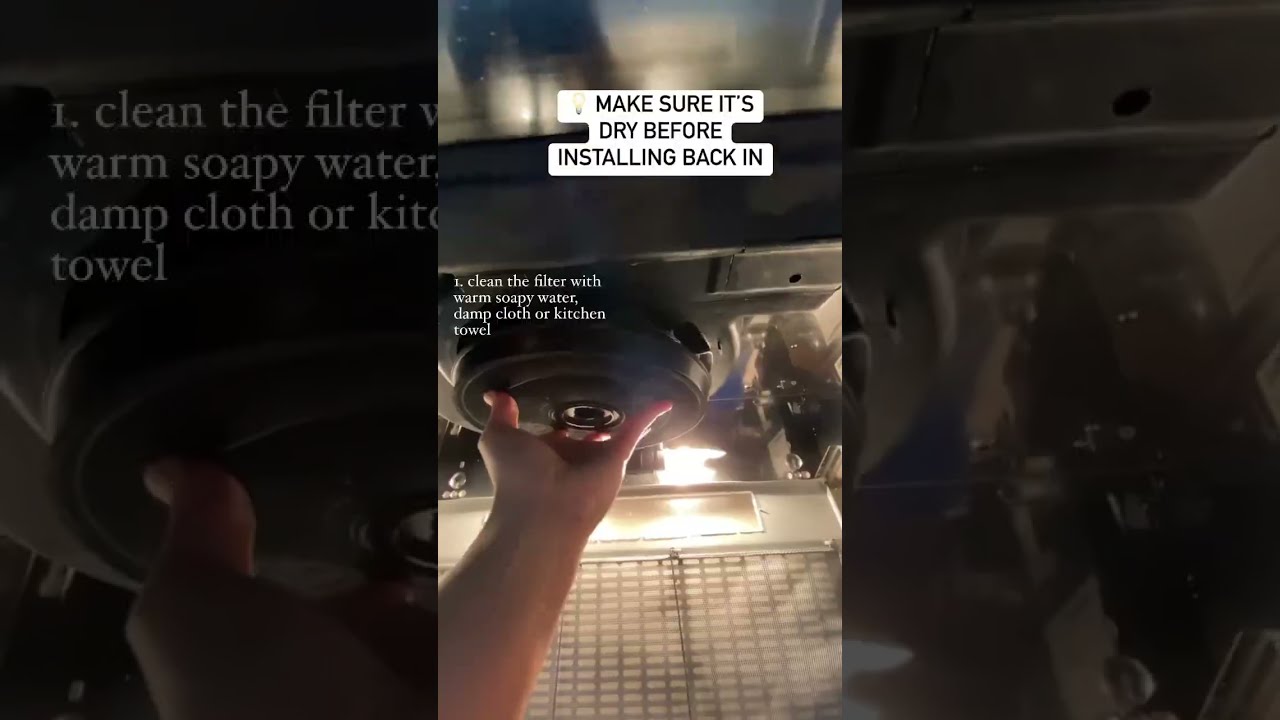
- Hood Filters: These are the biggest culprits. They must be cleaned or replaced according to a strict schedule. Never assume that just because they look clean, they are actually free of fine, saturated particulate matter. Fryer Filtration: Fryers need proper filtration and temperature monitoring. Allowing oil to get too old or overheated accelerates the breakdown of fats, creating a more volatile mixture.
Advanced Cleaning and Remediation Techniques
When prevention fails, or when the buildup has become truly formidable, it's time for professional deep cleaning. This is where the science of sanitation meets the art of industrial cleaning.
The Role of Professional Cleaning Methods
There are two primary approaches to dealing with accumulated grease in restaurant kitchens: chemical and mechanical. Understanding the difference is crucial for hiring the right help.
- Chemical Cleaning: This involves using specialized degreasers and solvents designed to break down the molecular bonds of hardened fats and oils. These chemicals are highly effective but require careful handling and ventilation to ensure safety. Mechanical Cleaning: This involves physical removal—scraping, flushing, and using high-pressure steam or water jets. This is excellent for structural areas like drains and ventilation ducts where chemicals might not penetrate effectively.
A professional team knows how to combine these methods—a chemical soak followed by a high-pressure flush, for example—to ensure every pocket of accumulated grease is addressed.
When to Call in the Experts
While daily maintenance is essential, some grease problems are too deep, too extensive, or too hazardous for in-house staff to tackle. If you find yourself questioning the scope of the buildup, or if the grease smells acrid and overwhelmingly stale, it is time to call in the professionals.
"The cost of prevention is always less than the cost of recovery," as one veteran facilities manager wisely noted. Their expertise includes not only the cleaning process but also the structural assessment needed to ensure that the buildup hasn't compromised your plumbing or ventilation system.
Building a Long-Term Culture of Cleanliness
Grease management is not a single task; it is a continuous cycle of vigilance. How can you institutionalize this care so that your kitchen never becomes a battleground against grime?
Think of cleanliness as the heartblood of your restaurant's reputation. When your kitchen operates efficiently, safely, and smells amazing, your customers notice. They feel the care, the professionalism, and the quality that radiates from your establishment.

To ensure lasting success, establish a dedicated, rotating checklist for grease monitoring. This checklist should include:
- Weekly filter inspections and deep cleaning schedules. Monthly drainage system flush and inspection. Quarterly professional hood and duct cleaning (mandatory for most jurisdictions).
By treating grease buildup as a cumulative, escalating risk—rather than just a messy byproduct of cooking—you shift from reactive cleaning to proactive maintenance. This commitment solidifies your operation, protects your staff, and ultimately, protects your bottom line. Taking decisive action now to master dealing with accumulated grease in restaurant kitchens is the single best investment you can make in your restaurant's longevity.